On automated high-precision grinding production lines, whether you are deploying conventional wheels such as Alundum (Aluminum Oxide) and Green Silicon Carbide (GC), or advanced superabrasives like Synthetic Diamond and Cubic Boron Nitride (CBN), production engineers frequently encounter critical bottlenecks after a specific batch volume. These manifest as abnormal spikes in spindle current, severe thermal burn marks on the workpiece surface, or geometric deviations in dimensional tolerances, such as out-of-roundness and taper defects.
These symptoms do not necessarily indicate insufficient machine tool rigidity or defective grinding wheels; rather, they are clear indicators of wheel “glazing” and “loading.” The Honway Group technical team provides an in-depth analysis of Diamond Dressers—the unsung heroes of precision grinding—demonstrating how precise trueing and dressing workflows can instantly restore wheel cutting efficiency and recover tight geometric tolerances.
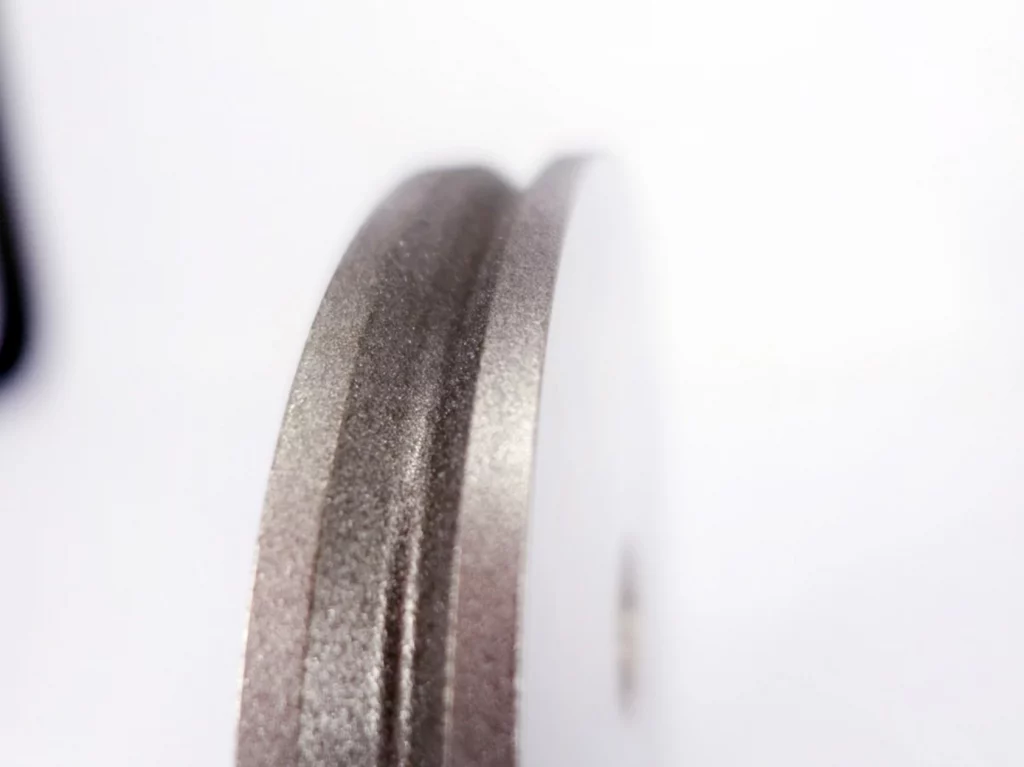
Figure 1: Honway Group offers a comprehensive portfolio of industrial-grade single-point, multi-point, and bond-modified diamond dressing tools engineered to restore grinding wheel sharpness and geometric concentricity.
📋 Technical Guide Quick Navigation
- Production Pain Points: The Critical Impact of Wheel Loading and Glazing on Yield Rates
- Conceptual Clarification: Differentiating Trueing vs. Dressing in Precision Grinding
- Targeted Solutions: Matching Grinding Wheel Materials with Ideal Diamond Dresser Specifications
- Cost Economics: Quantifying Optimal Dressing Frequencies for Maximum ROI
- Selection Matrix: Honway’s Comprehensive 7-Tier Diamond Dressing Tool Reference Guide
- Extended Reading: Aligning Grinding Parameters with Automated Superfinishing Workflows
I. Production Pain Points: The Critical Impact of Wheel Loading and Glazing on Yield Rates
A grinding wheel is essentially a multi-point cutting tool composed of thousands of microscopic abrasive grains held together by a bonding matrix (vitrified, resin, or metal). During high-speed material removal, production lines typically face two severe physical degradation mechanisms:
1. Grinding Wheel Loading and Glazing
When machining high-ductility or high-tenacity metals (such as stainless steel or mild steel), or when the bonding matrix fails to self-sharpen under extreme temperatures and pressures, microscopic metal chips are forced into the chip pockets (voids) between the abrasive grains. This phenomenon is known as Loading.
Concurrently, if the abrasive grains flatten without fracturing, the wheel surface becomes smooth and shiny, a state known as Glazing. Consequently, the wheel loses its cutting ability. The degraded grains merely rub against the workpiece, generating excessive frictional heat that induces thermal stress burns and micro-cracks on the components.
2. Geometric Deviation and Out-of-Roundness
Due to uneven feed-stress distribution or localized spindle vibration, the grinding wheel wears at varying rates across its outer diameter. Over time, the wheel loses its absolute concentricity, causing a collapse in required geometric profiles, such as R-angles or tapers. Out-of-roundness directly leads to component rejection and can trigger high-frequency spindle resonance, permanently damaging high-precision bearings.
II. Conceptual Clarification: Differentiating Trueing vs. Dressing in Precision Grinding
In high-end B2B precision manufacturing, “wheel reconditioning” must be strictly divided into two distinct, sequential operations rather than being conflated:
1. Trueing — Correcting Geometric Error
The primary objective of trueing is to restore geometric profile accuracy and concentricity. Utilizing a highly rigid diamond tool, the process shears away the eccentric or distorted portions of the grinding wheel. This ensures that the wheel’s rotation axis is perfectly concentric with the machine spindle, delivering flawless parallelism or specific customized profiles.
2. Dressing — Restoring Cutting Edge Sharpness
Post-trueing, the grinding wheel surface is typically flattened, leaving the abrasive grains flush with the bonding matrix, which temporarily strips the wheel of its cutting capability. Dressing must follow immediately to strip back the bonding matrix and expose the abrasive grains. This clears out loaded debris and deepens the chip pockets, creating sharp micro-cutting edges across the wheel face.
III. Targeted Solutions: Matching Grinding Wheel Materials with Ideal Diamond Dresser Specifications
No single dressing tool can accommodate all production lines. Honway Group’s engineering team has categorized the three dominant dressing configurations based on conventional wheels and specific process requirements:
1. Single-Point and Geometric Profile Dressing
This configuration incorporates high-grade natural single-crystal diamonds securely set at the tool tip. Trueing is performed via cross-feeding with micro-depth increments, providing direct, high-precision cutting force ideal for correcting conventional wheel geometries. Production lines can deploy high-rigidity Honway Natural Single-Point Diamond Dressers for flat or cylindrical grinding. For complex angles, tapers, or specific profile grinding setups, engineers should specify Taper Dressers featuring sharp, symmetrical geometries to scribe exact wheel profiles.
👉 Direct Access: 🛒 Honway Diamond Dressing Series – Natural Single Point Diamond Dresser Zone
👉 Direct Access: 🛒 Honway Diamond Dressing Series – Taper Dresser Zone
2. High-Volume Heavy-Duty and Form Dressing
For large-diameter roughing wheels or high-removal form grinding lines, single-point diamonds are highly vulnerable to localized thermal wear. Implementing a Multi Point Diamond Dresser, which sinters multiple premium diamond stones into a specialized alloy matrix, effectively distributes the heavy impacts. When the application demands absolute geometric repeatability and extended tool life, Honway’s CVD Forming Dressers and professional-grade Forming Dressers—built with chemical vapor deposition for isotropic hardness—serve as the premier choice for aerospace and automotive high-volume precision form grinding.
👉 Direct Access: 🛒 Honway Diamond Dressing Series – Multi Point Diamond Dresser Zone
👉 Direct Access: 🛒 Honway Diamond Dressing Series – CVD Forming Dresser Zone
👉 Direct Access: 🛒 Honway Diamond Dressing Series – Forming Dresser Zone
3. Superabrasive Dressing and Flexible Manual Maintenance
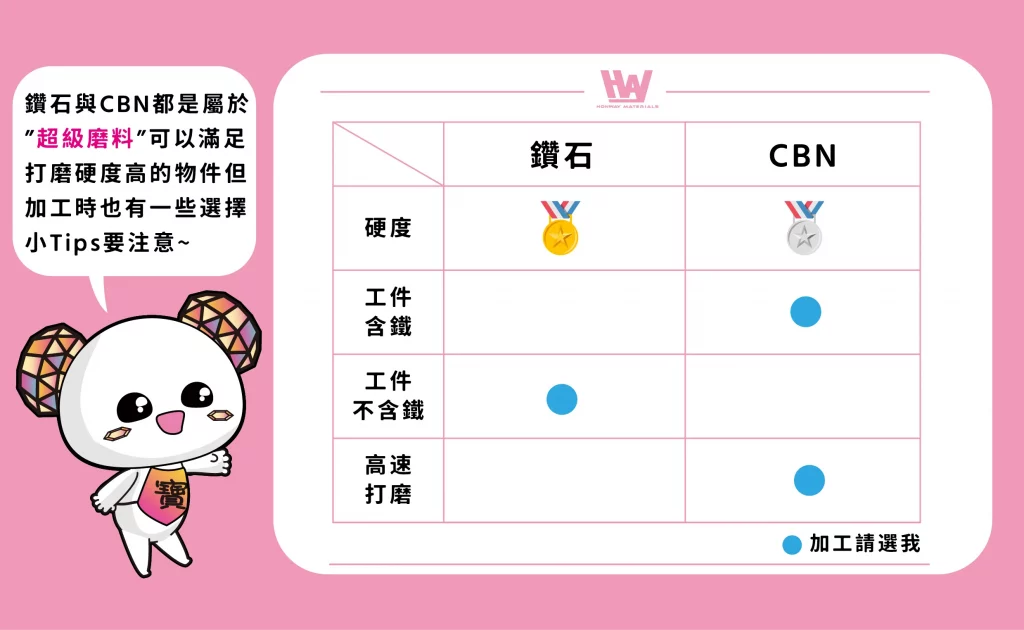
Diamond and CBN superabrasive wheels possess extreme hardness, making conventional dressers ineffective. For these superabrasives, engineers must select Honway’s Combined Trimmer (DI Series). These tools utilize a customized metal bond matrix embedded with fine diamond grits to gently erode the wheel’s bond, ensuring optimal grain exposure without damaging the superabrasive structure. For non-automated grinders or urgent on-site glazing remediation, the Handheld Diamond Dresser allows operators to execute rapid surface adjustments without dismantling the wheel setup, significantly boosting equipment uptime.
👉 Direct Access: 🛒 Honway Diamond Dressing Series – Combined Trimmer (DI Series) Zone
👉 Direct Access: 🛒 Honway Diamond Dressing Series – Handheld Diamond Dresser Zone
IV. Cost Economics: Quantifying Optimal Dressing Frequencies for Maximum ROI
On automated mass-production lines, dressing frequency is the ultimate variable dictating manufacturing economics:
- Excessive Dressing: Leads to premature wheel consumption, driving up consumable procurement costs unnecessarily.
- Inadequate Dressing: Spikes defect rates (thermal burns, dimensional over-tolerance), causing downstream assembly bottlenecks.
Technical Optimization Framework by Honway Consultants:
Production managers should implement data-driven monitoring. The most reliable method is tracking the grinder’s spindle ammeter. When the spindle current exceeds the baseline safety threshold by 15% to 20% under identical feed parameters, or when the acoustic emission transitions from a stable “hissing” to a high-frequency shrill sound, the optimal dressing window opens. Executing automated dressing at this exact juncture minimizes wheel material removal while fully restoring machining precision.
V. Selection Matrix: Honway’s Comprehensive 7-Tier Diamond Dressing Tool Reference Guide
Backed by extensive surface materials engineering expertise, Honway Group provides premium superabrasive wheels alongside the advanced dressing tools required to maintain them. Below is our complete 7-tier dressing tool portfolio. Click on the product names to connect directly with our engineering window for custom specifications, quotes, and sampling requests:
| Honway Part Number / Product Name | Core Technical Attributes | Optimal Production Target Applications |
|---|---|---|
| 🥇 CVD Forming Dresser | Engineered via Chemical Vapor Deposition; uniform hardness with no cleavage planes. Offers exceptional high-temperature thermal stability. | Precision aerospace components, automotive gear grinding, and high-volume geometric form grinding configurations. |
| 🥈 Forming Dresser | Features precisely ground cutting edge profiles, yielding exceptional concentricity and high geometric profile repeatability during dressing cycles. | Automated single-point or multi-point dressing of precision R-angles and intricate, non-standard wheel profiles. |
| 🥉 Taper Dresser | Designed with a highly acute, symmetrical conical point for ultra-precise point-cutting positioning and structural calibration. | Tungsten carbide punches, micro-slot grinding machines, and ultra-precision dressing of wheel angles and chamfers. |
| 🔹 Natural Single Point Diamond Dresser | Utilizes strictly selected high-integrity natural single-crystal diamonds. Exceptional shock resistance, rapid thermal dissipation, and low wear rates. | Universal surface grinders and cylindrical grinding setups utilizing standard Aluminum Oxide and Silicon Carbide wheels. |
| 🔹 Multi Point Diamond Dresser | Distributes high-frequency impact stress via multiple premium diamond particles sintered inside a specialized molybdenum-chromium matrix. | Large-diameter rough grinding wheels and heavy-duty material removal lines; eliminates downtime from frequent tool changes. |
| 🔹 Combined Trimmer (DI Series) | Formulated with a modified metal matrix bond specifically engineered to condition superabrasives without fracturing the core grain structures. | Advanced bond erosion, recessing, and sharpening of high-end Diamond and Cubic Boron Nitride (CBN) grinding wheels. |
| 🔥 Handheld Diamond Dresser | Ergonomically designed shank allows flexible handling for instant, manual on-machine wheel conditioning without complex programming. | Conventional toolroom grinders, manual edge-dressing, localized glazing removal, and rapid de-clogging maintenance. |
💡 Automated High-Volume Upgrades: For production lines aiming to surpass conventional dressing tools, consider integrating Honway’s flagship 🛒 Diamond roller Grinding wheel dressing system. This system enables rotary, fully automated geometric profiling, eliminating line bottlenecks completely.
VI. Extended Reading: Aligning Grinding Parameters with Automated Superfinishing Workflows
Optimizing wheel trueing and dressing processes establishes a stable foundation for upstream grinding. To maximize surface treatment efficiency across the rest of your production line, explore Honway’s technical guides:
- Superabrasive Selection (Upstream Alignment): 👉 The Definitive Guide to High-Precision Grinding Wheels: Core Competencies of Diamond and CBN Systems (Mastering chemical affinities and vibration-damping solutions for internal cylindrical grinding)
- Metrology & Roughness Standardization: 👉 Comparison Chart of Grinding Polishing and Surface Roughness (Calibrating post-dressing wheel topography against surface finish requirements)
- Downstream Smart Automation Hardware: 👉 Automated Deburring & Ultra-Precision Manufacturing: Achieving Nano-Scale Surface Integrity via Jet and Meta Polishing (Transitioning seamlessly from precision grinding to automated superfinishing and deburring)
🛡️ Honway Group: Your Trusted Partner in Advanced Surface Finishing Technology
Honway Group has long been dedicated to high-end industrial raw materials, advanced semiconductor consumables, and precision surface processing equipment. We understand that in demanding industrial sectors, deploying a high-quality grinding wheel is only half the battle. Precision, wear-resistant trueing and dressing technologies are vital to unlock 120% of your consumables’ performance.
Honway provides comprehensive material evaluation centers and a seasoned field application engineering team. We can calibrate dresser specifications and conduct on-site trial runs based on your specific grinder configurations, wheel bond matrix types, and workpiece tolerance requirements. Partner with us to achieve precision and operational efficiency across your manufacturing workflows.
🏢 Honway Group B2B Technical Engagement & RFQ Desk
- ✉️ Technical Request Engagement: We welcome you to Contact the Honway Technical Project Team immediately to submit your RFQ. Outline your wheel matrix, dimension specifications, and target geometric tolerances, and our application division will respond within 24 hours.
- 📞 Hotline: +886-7-223-1058 (Monday to Friday, 09:00 ~ 18:00 UTC+8)
- 📩 Corporate Email: [email protected]
- 🌐 Official Website Home: https://honwaygroup.com/
- 📱 Official Corporate Media: Follow the Honway Group LinkedIn Official Page to receive the latest updates on advanced surface engineering, superabrasives calibration, and localized semiconductor processing solutions.