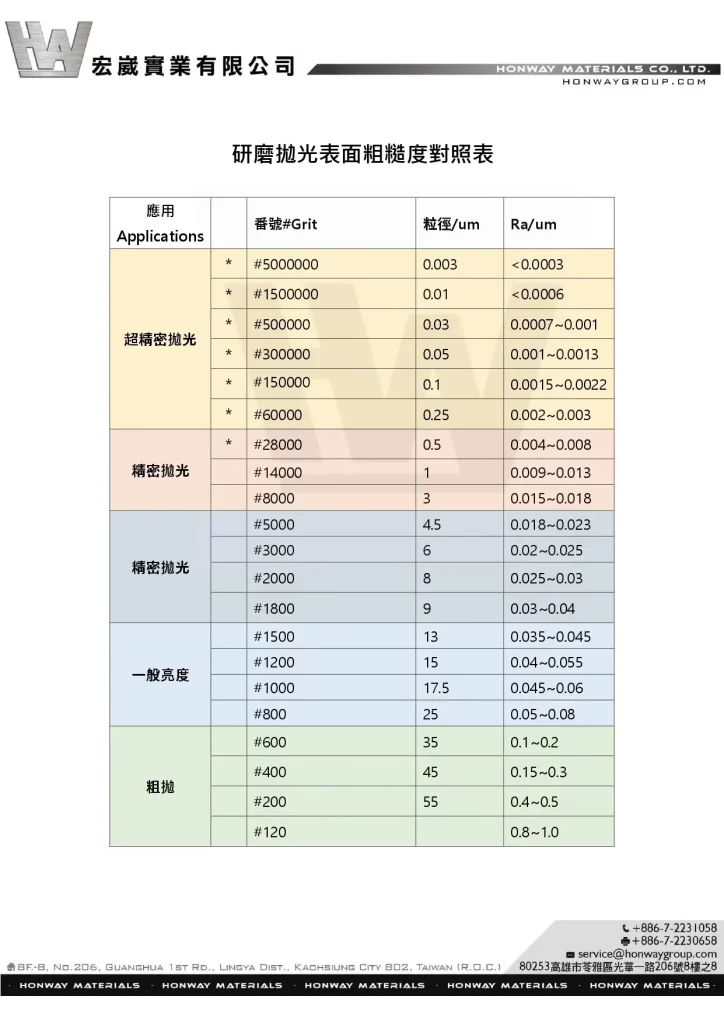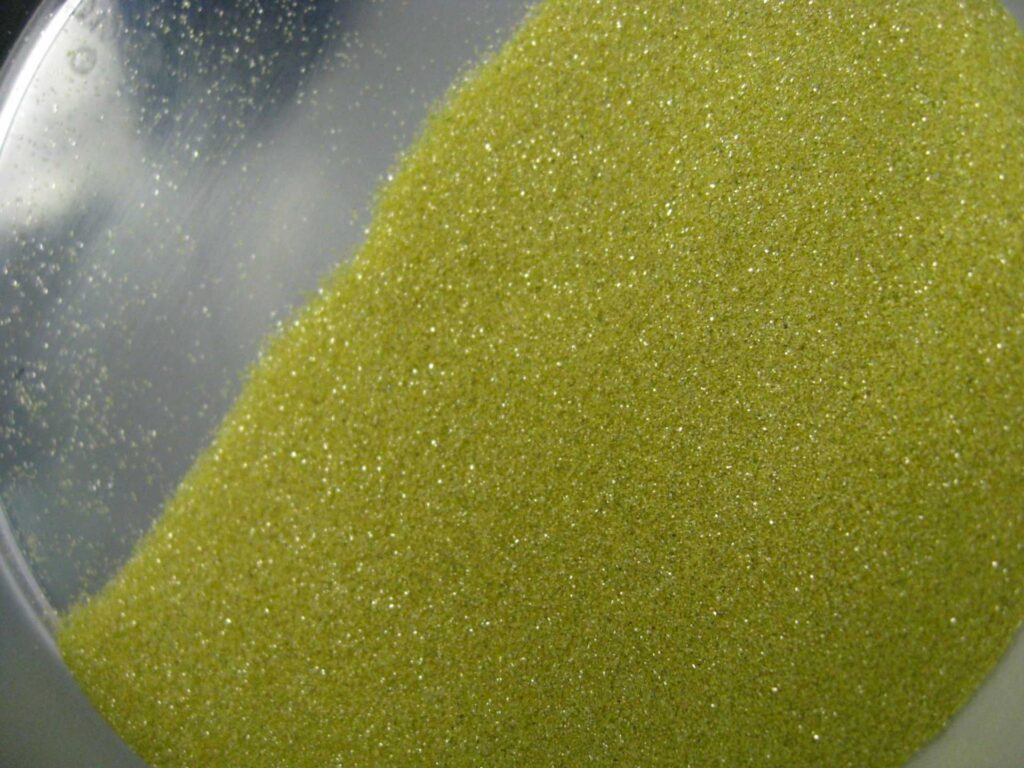
In modern ultra-precision machining, semiconductor wafer fabrication, and high-end mold manufacturing, achieving target Surface Roughness (Ra) directly dictates final product yields. Facing a diverse array of workpiece materials, deciding how to select the optimal polishing medium from a vast matrix of abrasives—such as diamond, alumina, and silicon carbide—is a foundational challenge for process engineers and procurement managers alike.
No single abrasive fits all applications. Grounded in material physics, this technical guide provides a deep dive into the micro-machining mechanisms for both “hard metals/advanced substrates” and “non-ferrous soft metals.” It also features a one-stop polishing consumables reference guide to streamline your production line deployments.
Table of Contents
- 1. The Core Physics of Precision Polishing: 3 Micro-Removal Mechanisms
- 2. Substrate Segregation: Hard Carbides vs. Soft Non-Ferrous Metals
- 3. Instant Lookup: Industrial Materials & Polishing Consumables Reference Table
- 4. Honway Materials: Your Advanced Surface Finishing Process Consultant
1. The Core Physics of Precision Polishing: 3 Micro-Removal Mechanisms
To realize a true nanometer-scale mirror finish (Ra < 1 nm), the polishing process transcends rudimentary mechanical grinding. Instead, it relies on a synergetic blend of three micro-physical and chemical dynamics:
A. Micro-Cutting Mechanism
This phase employs free abrasive grains (such as diamond micron powders) featuring higher hardness than the workpiece to perform micro- or nano-scale mechanical shearing. This mechanism delivers the highest material removal rate (MRR), engineered to rapidly eliminate geometric tool marks and subsurface defects left by prior machining stages.
B. Surface Plastic Flow
Under high-speed friction and localized intense pressure, the microscopic asperities (peaks) on the workpiece surface undergo transient thermal softening. The abrasive media, acting via a rolling and burnishing motion, prompts the softened metal atoms to flow micro-structurally into adjacent micro-voids (valleys), effectively ironing out the surface topography.
C. Chemical Mechanical Planarization (CMP) Effect
An indispensable process for semiconductor wafer fabrication and advanced optical substrates (such as sapphire windows). Specialized chemical components within the slurry react with the workpiece surface to generate an ultra-thin, soft passivation layer (e.g., oxide film). Gentle abrasive grains then shear away this soft layer. This continuous “chemical softening followed by mechanical sweeping” loop yields molecular-level global planarization without inducing subsurface damage.
2. Substrate Segregation: Hard Carbides vs. Soft Non-Ferrous Metals
A material’s Mohs hardness and inherent ductility dictate its custom abrasive lapping and polishing process path:
A. High-Hardness Alloys & Superhard Substrates (“The Hard Materials”)
- Typical Materials: Tungsten Carbide (WC), Stainless Steel, Cast Iron, Sapphire, Silicon Carbide (SiC) Wafer Substrates.
- Process Pain Points: Due to extreme material hardness, conventional abrasives like silicon carbide wear down rapidly, rendering material removal highly inefficient.
- Engineering Countermeasure: The deployment of diamond abrasives—the king of hardness—is mandatory. Diamond’s exceptional cutting capability clears the processing path rapidly. For high-tolerance precision injection molds, we recommend integrating Honway’s High-Cut Polycrystalline Diamond Compound Pastes. Utilizing the self-sharpening mechanics of polycrystalline diamond safeguards tight tolerances while preventing workpiece scratching or gouging.
B. Low-Hardness & Non-Ferrous Alloys (“The Soft Materials”)
- Typical Materials: Aluminum Alloys, Copper/Brass, Precision Die Steel (Composite Structures), Optical Glass.
- Process Pain Points: These materials are highly ductile or possess uneven microscopic hardness. Utilizing overly aggressive diamond abrasives during final polishing can over-machine the softer matrix. This creates “relief” defects on composite die steels or leaves dense, microscopic stress-induced micro-scratches on soft metals.
- Engineering Countermeasure: The final polishing stage demands highly rounded, edge-free abrasives. Implementing Honway’s High-Purity Spherical Alumina Polishing Slurry transitions the process to a rolling grinding mechanism between the polishing pad and workpiece. This disperses downforce pressure, ironing out the surface via gentle burnishing to bypass mirror-finish yield bottlenecks.
3. Instant Lookup: Industrial Materials & Polishing Consumables Reference Table
Based on years of on-site tier-1 factory troubleshooting, Honway’s engineering team has compiled this intuitive abrasive configuration matrix across roughing, semi-finishing, and final nanometer mirror finishing stages:
| Workpiece Classification | Typical Applications | Rough / Medium Lapping (High MRR) | Final Super-Finishing (Nano Mirror Finish) |
|---|---|---|---|
| Superhard Materials & Wafer Substrates | Silicon Carbide (SiC), Sapphire Optics | Monocrystalline Diamond Powder / Monocrystalline Diamond Powder / Slurry Solutions | “_blank”>Slurry SolutionsHonway High Self-Sharpening Polycrystalline Diamond Powder |
| High-Hardness Alloy Steels | Tungsten Carbide Jigs, High-Hardness Stamping Dies | Diamond Grinding Wheels / Mounted Points | Honway High-Cut Polycrystalline Diamond Pastes |
| Precision Injection Mold Steel | Mirror Plastic Molds, Composite Steel Structures | Fine-Grade Diamond Compound Leveling | Honway Spherical Alumina Polishing Slurry (Anti-Relief Formulation) |
| Non-Ferrous Metals & Soft Alloys | Aerospace Aluminum Components, High-Conductivity Copper Parts | Silicon Carbide Sandpaper / Grinding Wheels with Handle | Metallographic Alumina Polishing Powder |
*Note: When deploying surface finishing tools, dynamic stability is as critical as the abrasive consumables. For long-shift workshop operations, securing stable RPM control and low-vibration technologies is vital for maintaining surface planarity.
4. Honway Materials: Your Advanced Surface Finishing Process Consultant
At Honway, we recognize that B2B procurement is not merely purchasing raw chemical powders—it is securing stable, repeatable manufacturing yields. We transcend standard material supplying by optimizing your entire process sequence: from initial diamond-milled stock removal to final alumina/nanodiamond surface ironing, polishing pad matching (such as high-density polyurethane pads vs. porous synthetic suede cloths), and pH buffering stabilization.
We invite workshop directors, R&D engineers, and QA leads to send or bring your technical workpieces directly to Honway’s processing facility for live validation testing. Let us secure your throughput and yield rates with quantifiable, data-backed metrics.
- Request Free Material Samples: Share your substrate specifications and target Ra metrics with our team, and we will dispatch task-specific polishing abrasive samples directly to your plant.
- Schedule On-Site Engineering Evaluation: Align your pre- and post-polishing parameters with the guidance of Honway’s technical consultants.
💡 Advanced Technical Resources: Looking for a deeper dive into particle physics or machine selections? Explore our flagship technical guides:
Recommended Abrasive Consumables for Direct Ordering & Inquiries
Browse our verified online inventory below to order premium abrasive samples directly with global shipping options, or connect with our customer success team for offline commercial bulk contract pricing.
- Polycrystalline Abrasives: Nano Diamond Powder (Polycrystalline Series)
- Monocrystalline Abrasives: Nano Diamond Powder (Monocrystalline Series)
- Industrial Plating & Coating: Nano Diamond Black Powder (High-Performance Mixture)
- Precision Compounds & Pastes: Diamond Grinding Compounds / Pastes
- Advanced CMP Liquids: Diamond Grinding Solutions & Liquids
- Oxide Polishing Slurry: Aluminum Oxide Polishing Slurry (Spherical)
- Metallographic Powders: Metallographic Alumina Polishing Powder
- Precision Grinding Tools: Diamond/CBN Grinding Wheels & Grinding Rods
- Peripheral Consumables: Grinding Wheels with Handle
Honway Customer Success Office (Taiwan HQ)
Official B2B Inquiry Email: [email protected]
Business Hours: Monday – Friday, 09:00 – 18:00 (GMT+8)
International Direct Line: +886 7 223 1058 | Official Social Media: Honway Group Facebook