
In the fields of materials science and surface engineering, diamond-like carbon (DLC) films have become a highly sought-after advanced coating material in recent years due to their combination of the high hardness of diamond and the lubricating properties of graphite. They possess characteristics such as high hardness, low friction, excellent corrosion resistance, and high thermal conductivity, and their applications span across industries including machinery, optoelectronics, electronic packaging, biomedicine, and chemical storage. They are considered one of the key technologies for improving component lifespan and performance.
For industrial customers looking for high-performance DLC coating targets, superhard materials, or those seeking diamond thin film foundry services: Honway Industrial Co., Ltd., as a professional supplier of superhard materials and rare earth raw materials, not only provides pure, high-quality graphite targets and functional doped raw materials, but also delves into the processing technology and applications.
If you need tools or parts for diamond-coated thin films or diamond-like thin films (such as a-C:H, ta-C), please contact Honway. If you’re still unsure how to choose the most suitable coating technology or pretreatment consumables after reading this article, feel free to contact Honway directly to chat with our professional team for an evaluation.
Table of Contents
Differences between diamond thin films and diamond-like carbon (DLC) thin films
Diamond-like carbon thin films (DLC) differ fundamentally from true diamond films (Crystalline Diamond Film) in their raw materials and carbon bond structure.
- The fundamental difference lies in the structure:
- Diamond films are true crystals and possess all the extreme properties of diamonds (hardness, thermal conductivity).
- DLC films are amorphous and are a mixture of the properties of diamond (sp3) and graphite (sp2), hence the name “diamond-like”.
- Different application orientations:
- Diamond thin films are primarily targeted at extreme applications, especially those requiring ultra-high hardness or high thermal conductivity.
- DLC films are primarily used in tribological applications (wear and friction) due to their extremely low coefficient of friction and the advantages of low-temperature processing, resulting in a wider range of applications and lower costs.
You can think of DLC as a “balanced performance and cost-effective” alternative that retains some of the advantages of diamond (hardness, wear resistance) while adding the advantages of graphite (lubricity), making it a coating that is more flexible for industrial applications.
Features of diamond-like thin films
- High hardness and wear resistance: Hardness can reach 15–30 GPa, effectively preventing wear and scratches.
- Low coefficient of friction: The coefficient of friction can be lower than 0.1 in dry sliding environments, significantly reducing energy loss.
- Chemical inertness and corrosion resistance: It can resist the erosion of acid, alkali, moisture and oxidizing environments.
- Excellent thermal conductivity: promotes heat dissipation and stability, which is especially important in high-power components.
- Excellent optical transparency: Specific formulations can be applied to protective layers for optical and sensing lenses.
Formation mechanism of diamond-like thin films
Key difference: Whether it contains hydrogen (H) and its proportion
DLC thin films are amorphous carbon structures composed of a mixture of sp³ bonds (diamond structure) and sp² bonds (graphite structure). This bonding ratio determines the film’s hardness, electrical conductivity, and optical properties.
Its formation mainly originates from the high-speed impact of carbon ions or neutral carbon atoms on the substrate surface, resulting in their accumulation. The hydrogen content or doping elements can be adjusted during this process to modify the film’s properties. For example:
- Hydrogen-containing amorphous carbon (a-C:H): It has low friction and wear resistance, and performs particularly well in dry environments, and the processing temperature is relatively low.
- Hydrogen-free amorphous carbon (a-C): High hardness, close to that of a real diamond, and resistant to high temperatures.
Fluorine-doped DLC (F-DLC): It has excellent hydrophobicity and biocompatibility, making it suitable for medical applications.
Development of diamond-like thin film fabrication technology
With advancements in vacuum deposition and ion exchange technologies, the deposition methods for DLC thin films have become increasingly diverse. Currently, the main processes include:
- Ion beam deposition: allows for precise control of energy and deposition rate, resulting in excellent film adhesion.
- Sputtering deposition: A commonly used industrial process, suitable for mass production and large-area substrates.
- Plasma-assisted chemical vapor deposition (PECVD): a low-temperature process (< 100℃), suitable for plastics or low-melting-point materials.
- Cathode vacuum arc (CVA) deposition: can form a dense film layer in a short time.
- Laser Arc Deposition: Fast deposition rate, suitable for fabrication of multilayer structures and composite materials.
Technology Application Table
| Process technology | Mainstream applications and products | The main reason for choosing this technology | Related fields |
| Ion beam deposition (IBD) | Precision optical components (such as high-precision filters and anti-reflective coatings), key thin film layers for semiconductors, specialized sensors such as gyroscopes, and biocompatible coatings (such as antibacterial silver coatings for medical implants). | 1. Extremely high film quality: The film is dense, highly pure, and has few defects.2. Precise control: Ion energy and flux can be independently and precisely controlled, achieving extremely high thickness uniformity and stoichiometry, which is crucial for precision optics and semiconductors.3. Excellent adhesion: Ion bombardment enhances the adhesion between the film and the substrate. | Science and technology, optics, aerospace, medicine, research |
| Sputtering deposition method | Industrial cutting tools/molds (such as hard films like titanium nitride TiN and TiAlN), semiconductor processes (such as diffusion barrier layers and interconnects), large-area optical coatings, and decorative coatings (such as watches and jewelry). | 1. Commonly used in industry and mass production: Suitable for large-area substrates and mass production, with a stable and mature process. 2. Excellent film uniformity: Especially magnetron sputtering can effectively improve deposition rate and film density. 3. Diverse materials: Can deposit a variety of metals, alloys, and compound thin films. | Industry, technology, automotive, decoration |
| Plasma-assisted chemical vapor deposition (PECVD) | Thin film deposition on low-temperature process-sensitive substrates (such as plastics and flexible electronic substrates), semiconductors (such as protective layers, isolation layers and dielectric insulating layers), solar cell films, and medical devices (biocompatible DLCs requiring low-temperature processes). | 1. Extremely low temperature process: Deposition temperature can be below 100°C, making it the preferred method for processing heat-sensitive plastics, polymers, or tempered precision parts. 2. Good step coverage: Provides excellent coverage of complex structures in semiconductor processes. | Technology, Medical, Flexible Electronics, Research |
| Cathode vacuum arc (CVA) deposition | High-hardness wear-resistant coatings (such as compound films of TiN, CrN, TiAlN, etc.) are used in automotive parts, cutting tools, industrial molds, and mechanical parts used in high-temperature/harsh environments. | 1. High ionization rate: The plasma is almost entirely composed of metal ions, resulting in rapid deposition and the formation of a dense film in a short time. 2. Extremely strong adhesion: The high-energy metal ions penetrate deep into the substrate surface, resulting in exceptionally strong adhesion between the coating and the metal substrate. 3. High film density: The dense structure makes it suitable for harsh abrasion environments. | Industry, automotive, aerospace, research |
| Laser Arc Deposition | Emerging material thin films, multilayer structures, complex compound thin films (such as ceramic oxide films, nitride films, and superlattices), and research applications. (This usually refers to pulsed laser deposition (PLD)). | 1. Maintains the stoichiometry of rare earth targets: Laser instantaneous evaporation of rare earth targets allows for the complete transfer of complex compound components onto thin films. 2. High deposition rate: Suitable for rapid fabrication of multilayer or composite material structures. 3. Wide application flexibility: Can be used to fabricate various types of thin film materials. | Research, technology, aerospace |
Future development will move towards multi-layered structured deposition, large-area deposition, and high adhesion technologies to meet the diverse needs of industrial and biomedical applications.
Applications of diamond-like films in various industries
Mold Industry Application
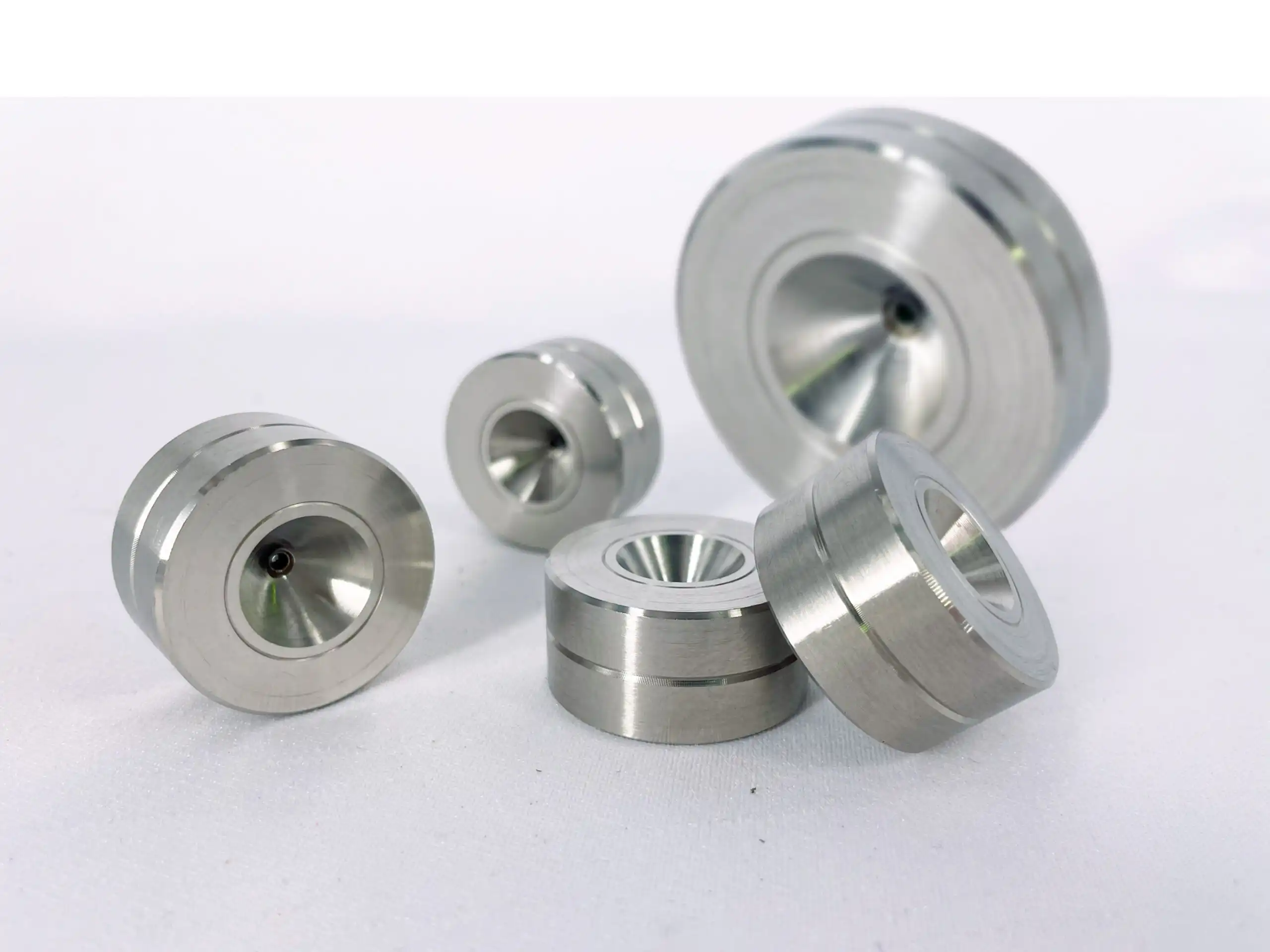
In the mold industry, DLC films can significantly extend mold life, typically by 2 to 10 times. Their high thermal conductivity facilitates rapid heat release, improving flowability and heat dissipation efficiency during plastic injection and metal molding. DLC is particularly suitable for applications in plastic injection molds, optical molds, fiber-reinforced injection molds, powder metallurgy molds, stamping dies, and aluminum extrusion dies. Due to its low friction and high lubrication properties, DLC can shorten molding time, improve demolding performance, and effectively increase product yield.
Cutting and machining tools

In metalworking and high-speed cutting, DLC films prevent ductile materials such as aluminum and copper from sticking at high temperatures, significantly improving tool life and machining quality. This property makes DLC coatings particularly suitable for cutting aluminum, magnesium, copper, lead alloys, ceramics, tungsten carbide, graphite, plastics, and composite materials, but it is not recommended for materials containing iron, cobalt, or nickel. This is because the machining industry prioritizes precision and tool stability.
光學與紅外線元件
The optical field demands extremely high surface quality and light transmittance. DLC films, with their high transparency, low reflectivity, and excellent scratch resistance, are ideal for use in eyeglass lenses, camera lenses, and infrared materials such as germanium and ZnS. They are also commonly found in missile guidance windows and protective optical windows in military and aerospace systems, where their abrasion resistance and oxidation resistance significantly extend lens life. The optical industry prioritizes optical uniformity and protective properties.
Electronics and Packaging Industry
The miniaturization trend of electronic components has made heat dissipation and protection critical issues. DLC films, with their high thermal conductivity and hermeticity, can be used as electronic encapsulation layers to prevent moisture and oxygen penetration, thus preventing component oxidation. Furthermore, DLC can be applied to thermal interface materials and scratch-resistant layers on hard drive surfaces, improving durability and reliability. The electronics industry emphasizes thermal management and long-term stability.
Automotive industry
Automotive engines and transmission systems contain numerous high-friction components. DLC coatings can effectively reduce friction and fuel consumption, with real-world tests showing a reduction in fuel consumption of approximately 2–3%. Currently, it is widely used in cylinder liners, valves, camshafts, and fuel injectors, significantly improving wear resistance and component lifespan, and enhancing overall energy efficiency. The automotive industry prioritizes durability and energy efficiency, and DLC, with its low-friction properties, has become an ideal material for environmentally friendly and high-efficiency engine design.
Biomedical and Medical Devices
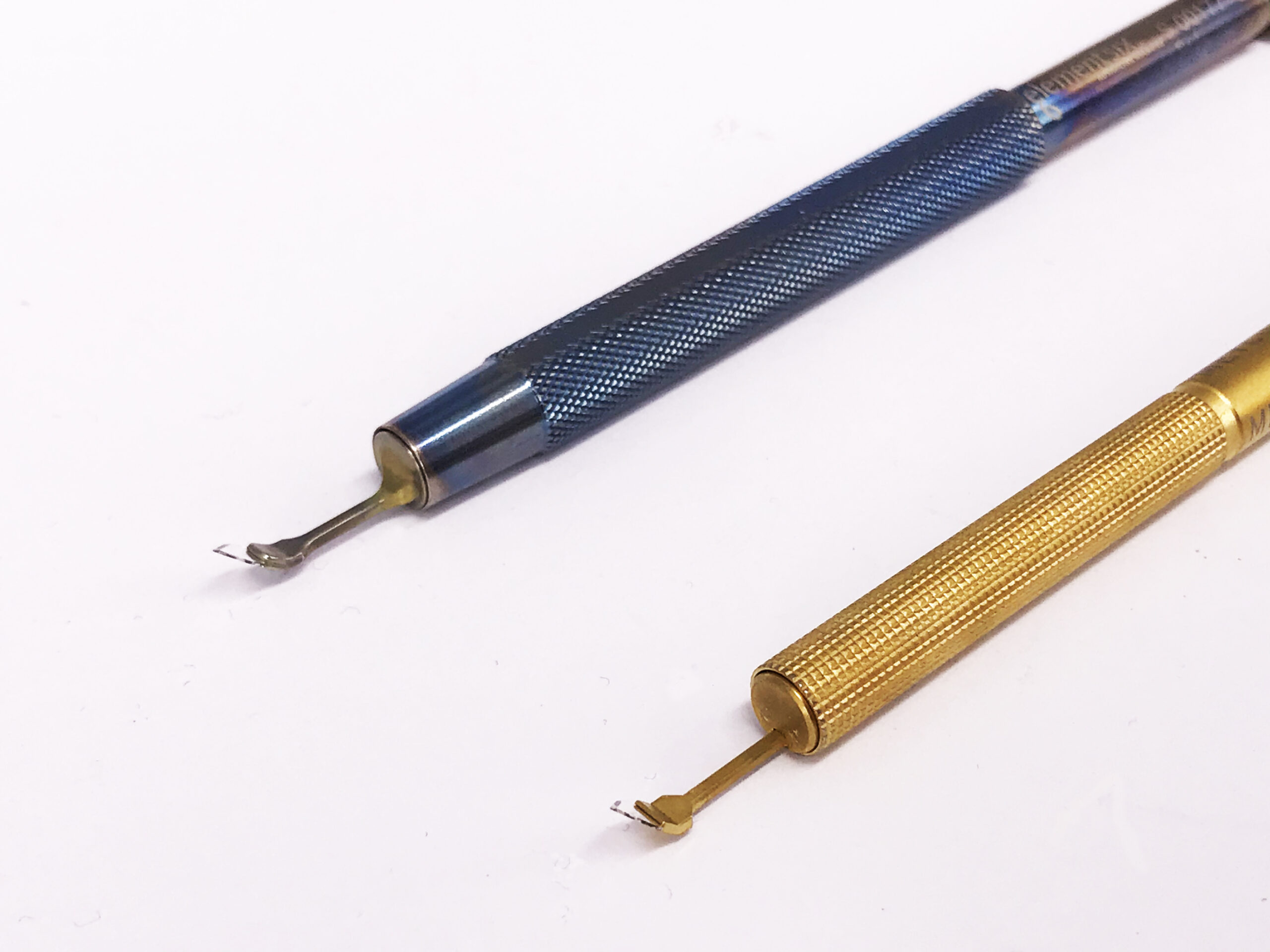
DLC possesses excellent biocompatibility and chemical stability, effectively preventing immune reactions or metal ion release. It is commonly used in medical devices such as artificial joints, heart valves, vascular stents, surgical instruments, catheters, and breathing tubes. Furthermore, DLC can be applied to food packaging and PET bottle gas barrier coatings to enhance hygiene and barrier properties. In the medical field, safety and long-term stability are paramount, and fluorinated DLC (F-DLC) exhibits superior blood compatibility and hydrophobicity, extending implant lifespan.
Chemical storage and corrosion protection equipment
DLC’s high corrosion and impermeability make it a highly valuable protective material in the chemical industry. It is commonly used on the inner walls of chemical storage tanks and the inner layers of acid and alkali liquid transport pipelines to prevent erosion or leakage caused by chemical reactions, ensuring the safety and long service life of the storage tanks. This industry places particular emphasis on chemical resistance and sealing reliability; the stability of DLC coatings provides an extremely high level of protection, extending equipment lifespan.
Hydrophilic and hydrophobic properties and special surface applications
The surface energy of DLC films can be controlled by adjusting process parameters to achieve hydrophilic or hydrophobic properties. Hydrophilic DLCs can be used in anti-fog lenses and optical protective layers to prevent moisture condensation from affecting visual effects; hydrophobic DLCs can be used in heat pipes or heat dissipation surfaces to improve heat exchange efficiency and droplet flow. These applications emphasize the control of surface functions.
General mechanical parts and transmission components
In general mechanical equipment, DLC films are commonly used in high-speed sliding mechanisms such as bearings, guide rails, nozzles, transmission components, brake lines, and sewing machine shuttles. Due to their low friction and high wear resistance, they can significantly reduce wear, decrease lubrication requirements, and improve operational stability and lifespan. The machinery industry emphasizes wear resistance and maintenance cost control; the adoption of DLC can effectively extend equipment maintenance cycles.
Development trend
Future DLC technology is developing towards nanocomposite materials, multilayer structures, and doped functionalization. By incorporating silicon, nitrogen, or metal elements, internal stress, lubrication stability, and conductivity can be further improved. Metal-doped DLCs (such as W-DLC and Ti-DLC) combine high hardness and conductivity, attracting significant attention in the electronics and energy fields.
Meanwhile, with the increasing heat dissipation requirements of compound semiconductor (SiC, GaN) devices, DLC films, with their excellent thermal conductivity and protective properties, will become an indispensable protective layer in high-power electronic packaging. Hung Wei Industrial continues to develop polishing and grinding consumables compatible with new materials to support the integrated application of next-generation DLC and compound semiconductor technologies.
Conclusion
Diamond-like carbon (DLC) films, with their high hardness, low friction, and excellent stability, are gradually becoming key functional materials across industries. From precision machinery and semiconductor manufacturing to medical and optoelectronic fields, the application scope of DLC is constantly expanding, bringing higher reliability and performance to various industries.
Honway Industrial Co., Ltd. provides comprehensive supply chain support, from substrate polishing consumables and high-purity DLC sputtering targets to rare earth and composite materials, leveraging its professional surface treatment and grinding technologies. Our expertise covers various processes including PECVD and CVA, helping customers achieve high efficiency and sustainable manufacturing goals while pursuing ultimate precision and stable quality.
Honway’s service advantages: We provide not only raw materials, but also solutions deeply integrated with DLC coating technology applications. We specialize in assisting customers in Taiwan and Asia to procure high-quality, high-stability superhard materials and functional coating raw materials.
Contact us now
For more information on DLC coating raw materials, sputtering targets, or technical consulting services, please click the link below to contact Hung Wei Industrial Co., Ltd. (a professional supplier in Taiwan).
Read More Related Topics
- Diamond Substrate>>>From jewelry to semiconductors: Diamonds play a key role in the next generation of thermal conductivity materials
- Diamond Export Controls >>> China Implements Export Controls on Synthetic Diamonds: New Challenges for Global Supply Chains and Taiwan’s Industries
- Diamond >>> Abrasive – Introduction to Diamonds
- What are some diamond tools? >>>
- The Diverse Applications of Industrial Diamonds >>> The Diverse Applications of Industrial Diamonds: A Key Tool for Semiconductors, Grinding and Polishing, and High-Power Components
- Synthetic Diamonds >>>What are the types and manufacturing methods of synthetic diamonds? How should one choose?
- Diamonds in the Machinery Industry >>> Key Applications of Diamonds in the Machinery Industry: A Comprehensive Revolution from Coatings to Precision Parts
We offer customized adjustments to the grinding process, tailored to meet processing requirements for maximum efficiency.
After reading the content, if you still don’t know how to select the most suitable option,
Feel free to contact us and we will have specialist available to answer your questions.
If you need customized quotations, you’re also welcome to contact us.
Customer Service Hours: Monday to Friday 09:00~18:00 (GMT+8)
Phone: +8867 223 1058
If you have a subject that you want to know or a phone call that is not clear, you are welcome to send a private message to Facebook~~
Honway Facebook: https://www.facebook.com/honwaygroup
You may be interested in…
[wpb-random-posts]


